Patient guide
Conditions & Treatments
Explore common causes of back, neck, nerve and joint pain—and learn how selected non-surgical treatments are considered after a focused evaluation.
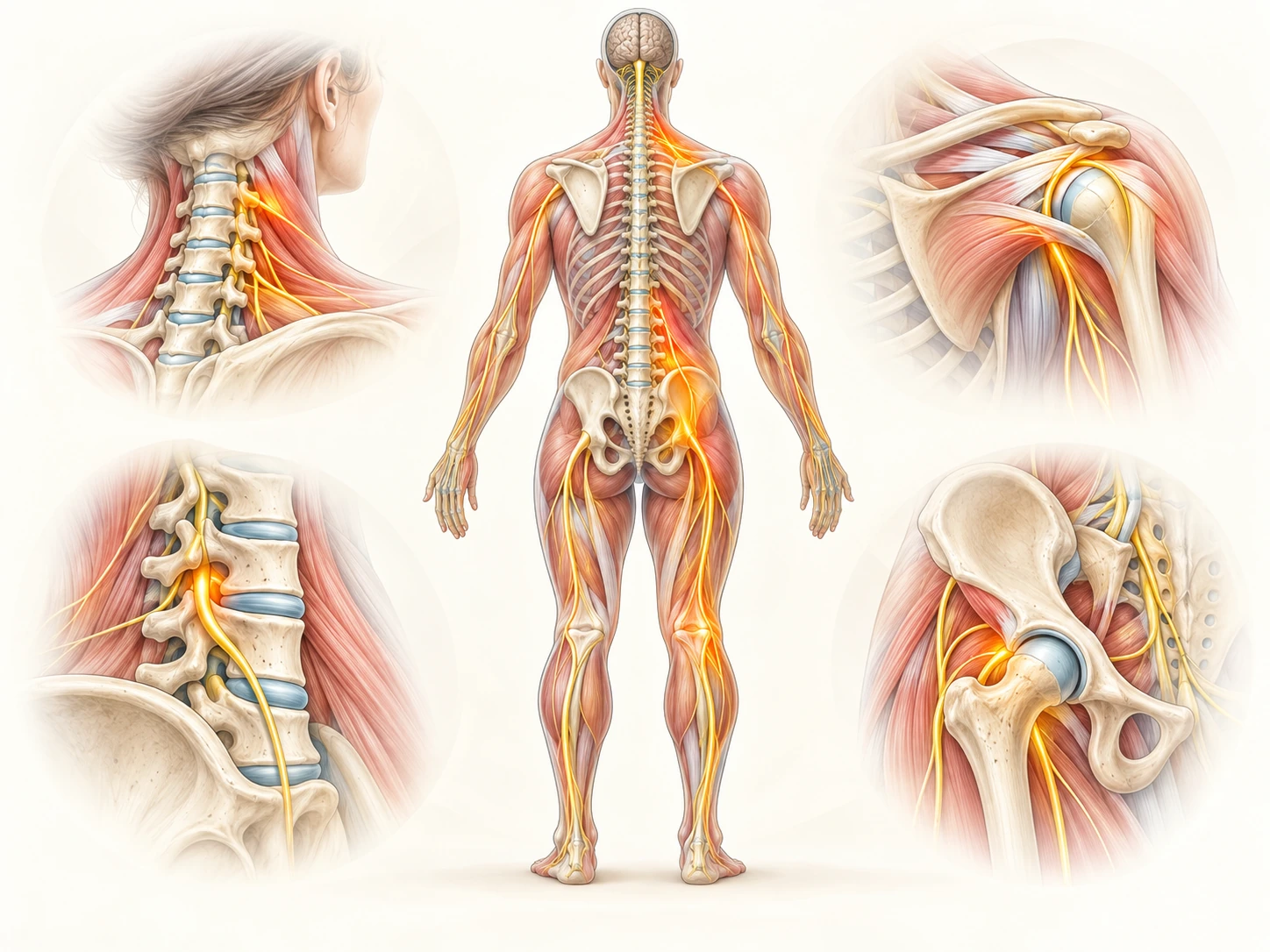
One symptom can have several possible sources
Spine, nerves, joints and movement all matter.
Pain location is a starting point—not the whole diagnosis. The pattern of symptoms, physical findings and functional limits helps narrow what is most likely driving the problem.
Imaging or testing can add useful evidence when the result is likely to change the plan.
Conditions we evaluate
Start with the symptom pattern
Symptoms can overlap. These guides explain common patterns in plain language; an individual examination is needed to identify the likely source.
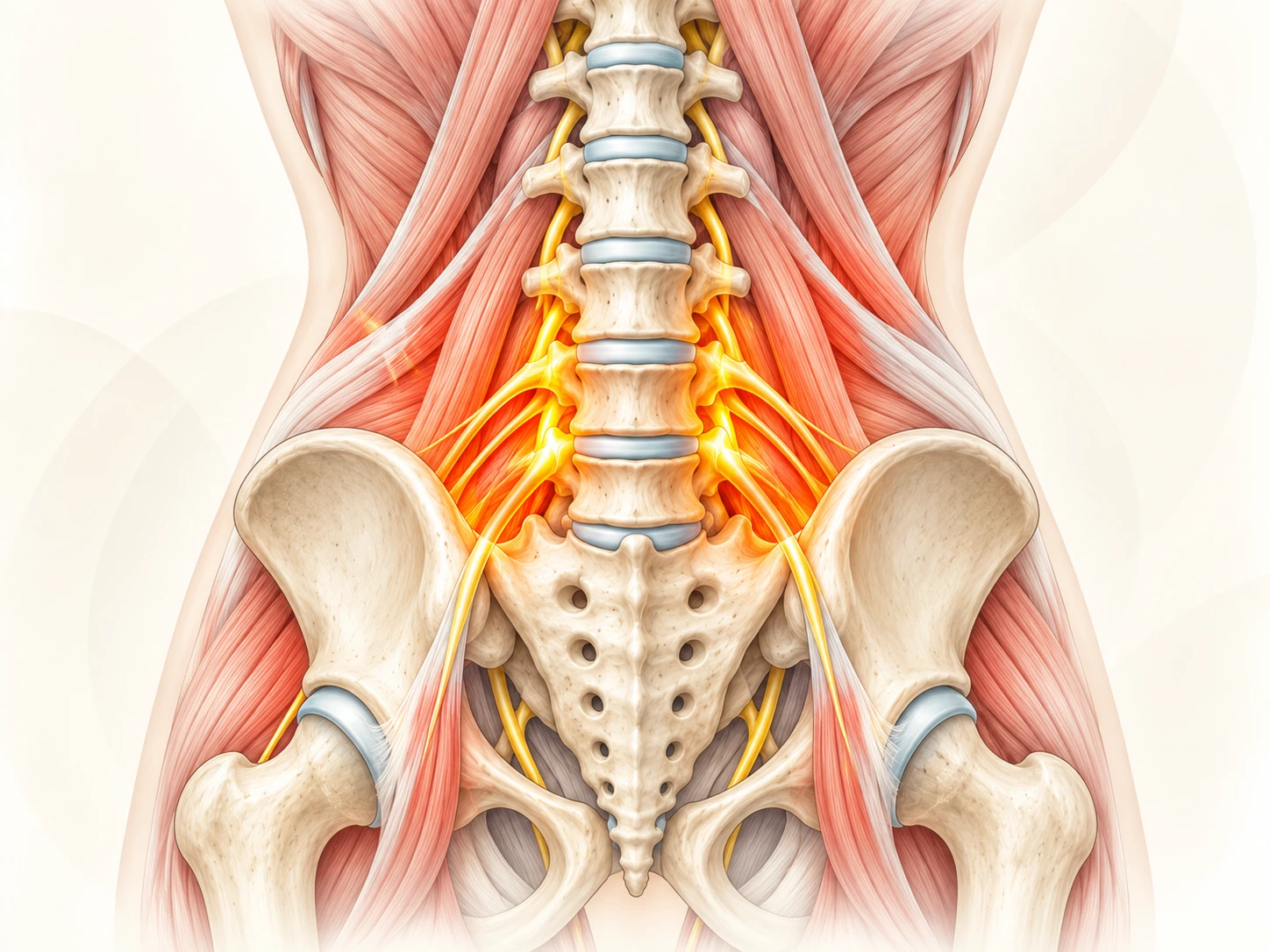
Low Back Pain
Low back pain can begin in muscles, joints, discs or nerves. A focused evaluation helps narrow the likely source and match care to your goals.
Read the guide →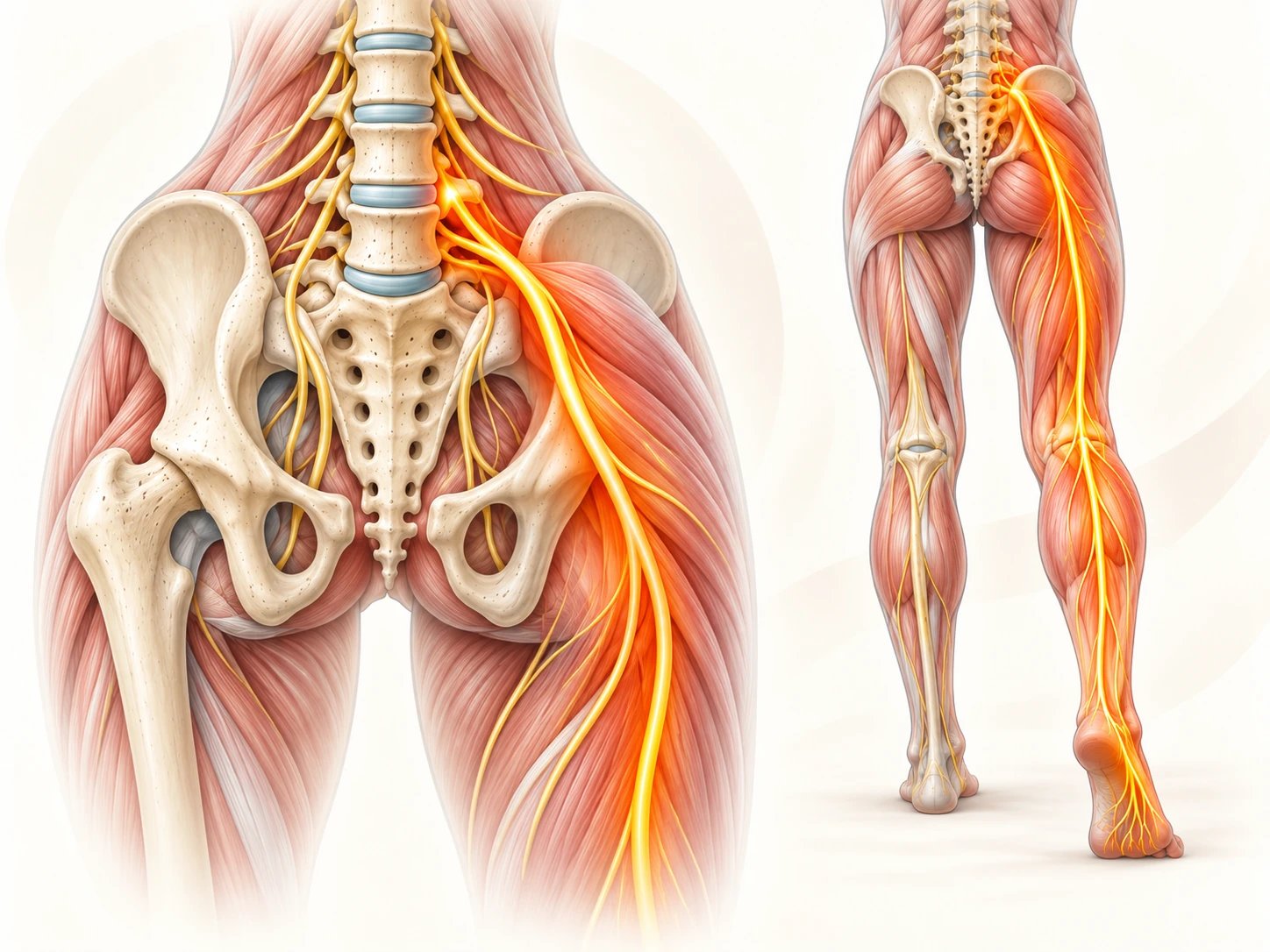
Sciatica
Sciatica describes pain that follows the sciatic nerve from the low back or buttock into the leg, often because a spinal nerve root is irritated.
Read the guide →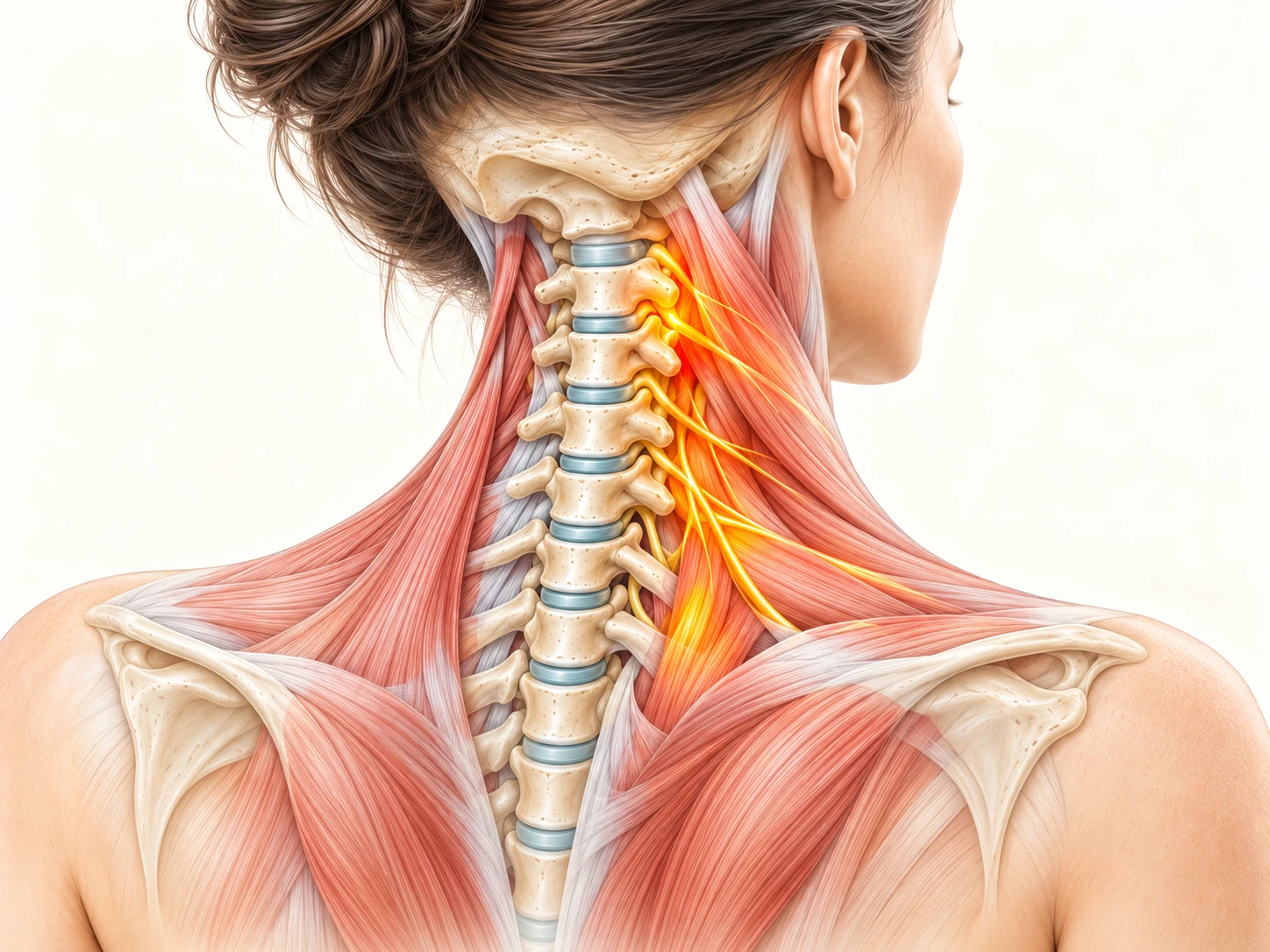
Neck Pain
Neck pain may involve muscles, joints, discs or nerves. The location of symptoms and whether they travel into an arm help guide the evaluation.
Read the guide →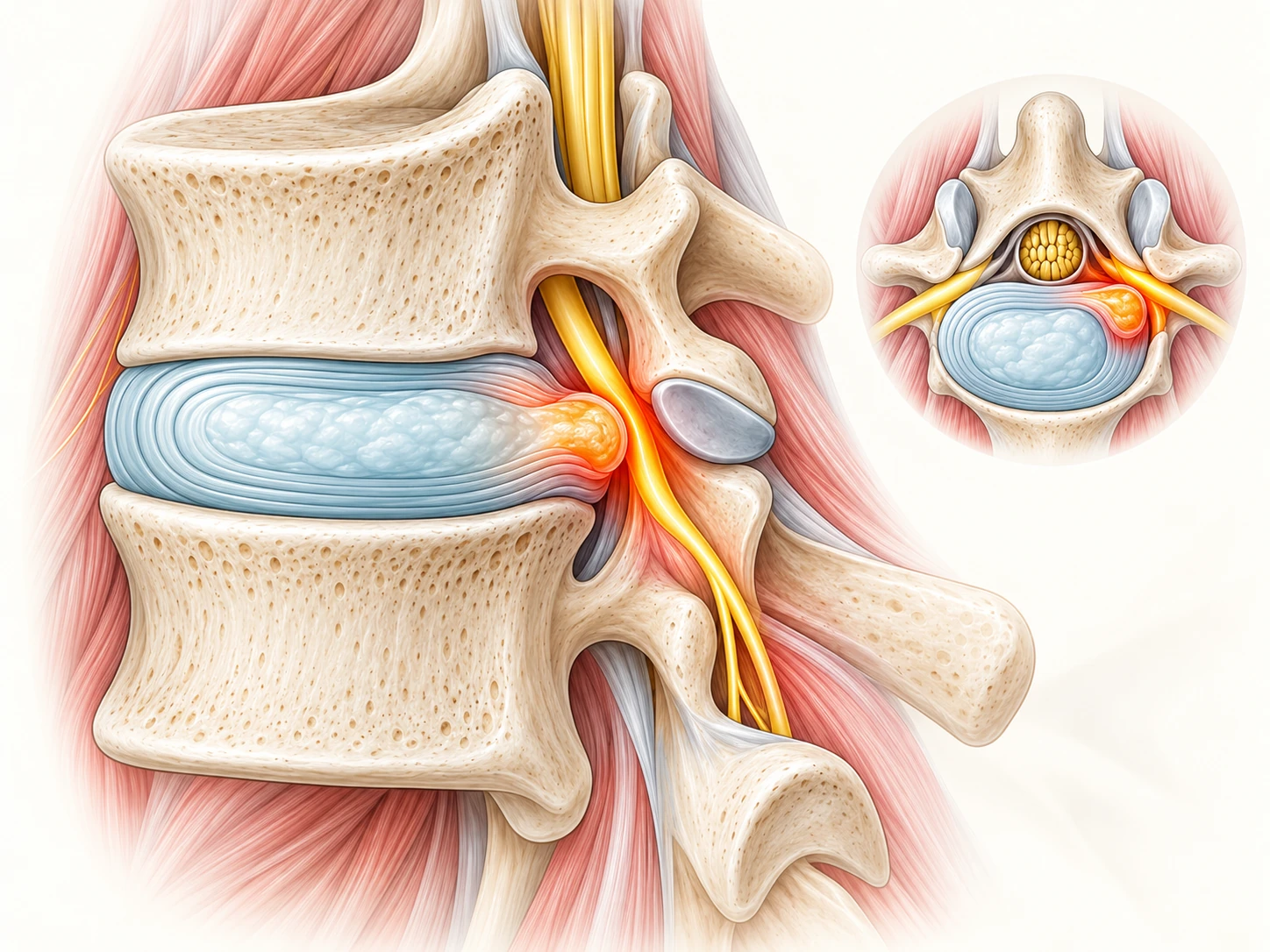
Herniated Disc
A herniated disc occurs when disc material extends beyond its usual boundary and may irritate a nearby nerve in the neck or low back.
Read the guide →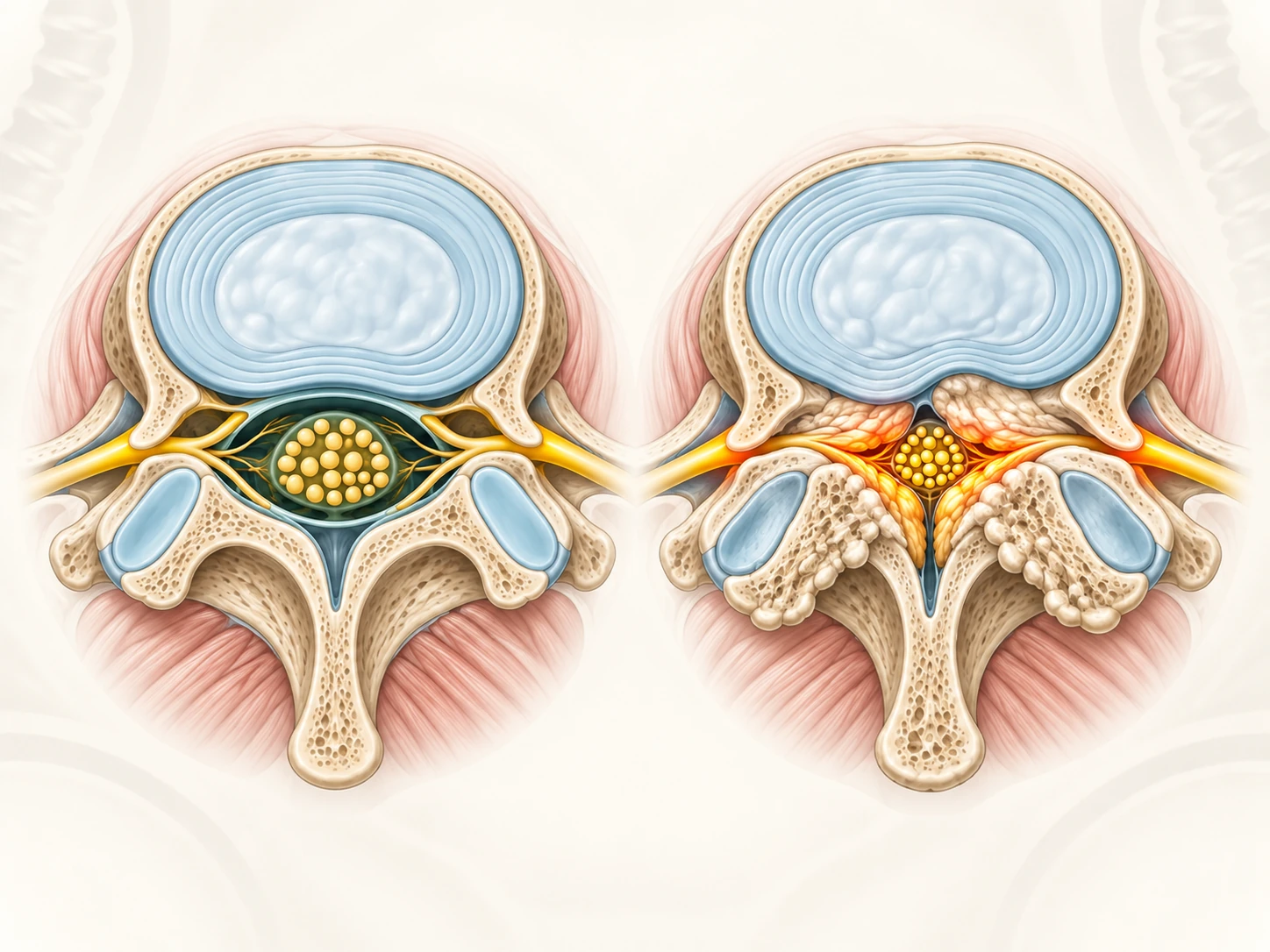
Spinal Stenosis
Spinal stenosis is narrowing around the spinal canal or nerve openings. In the low back, it can cause leg heaviness, pain or numbness with standing and walking.
Read the guide →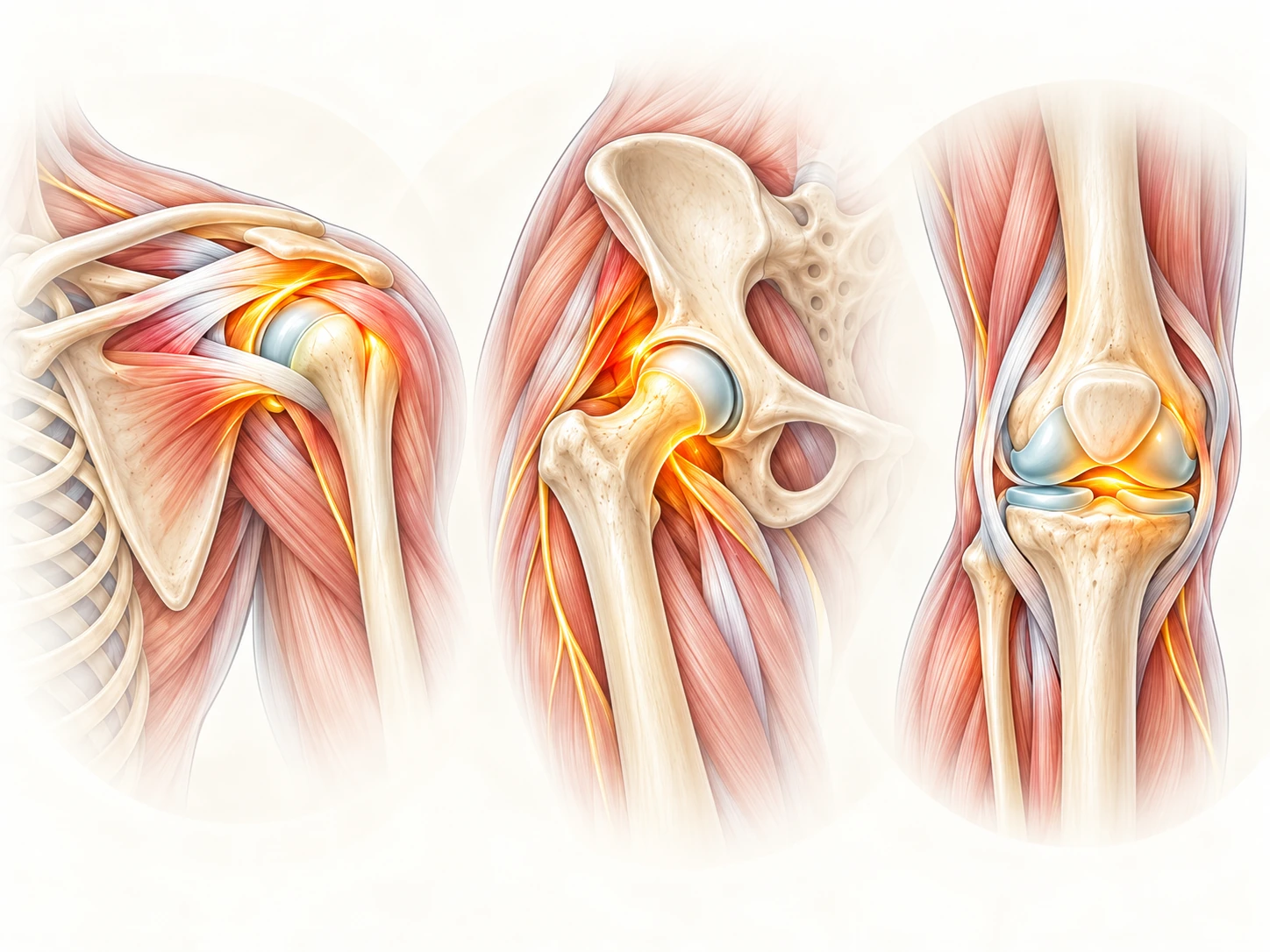
Joint & Musculoskeletal Pain
Shoulder, hip and knee pain may reflect arthritis, injury, overuse or irritation of nearby tendons and bursae. Treatment starts with locating the true source.
Read the guide →Treatments & procedures
Understand first. Intervene selectively.
Treatment choice depends on the diagnosis, prior care, goals and overall health—not an imaging finding alone.
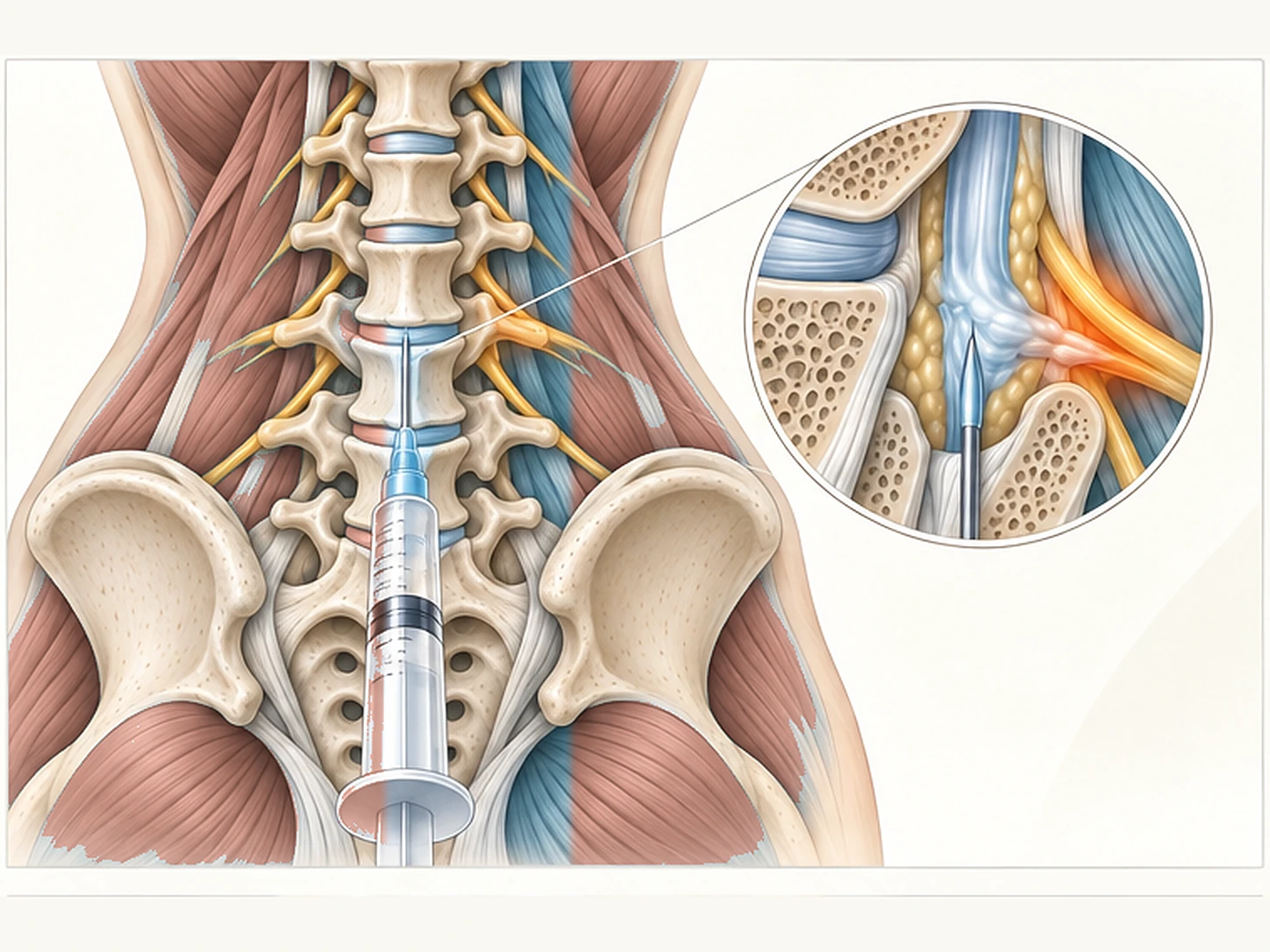
Epidural Steroid Injections
An image-guided injection that places anti-inflammatory medication near an irritated spinal nerve. It may be considered when symptoms and examination findings support cervical or lumbar nerve-root inflammation.
How it is considered →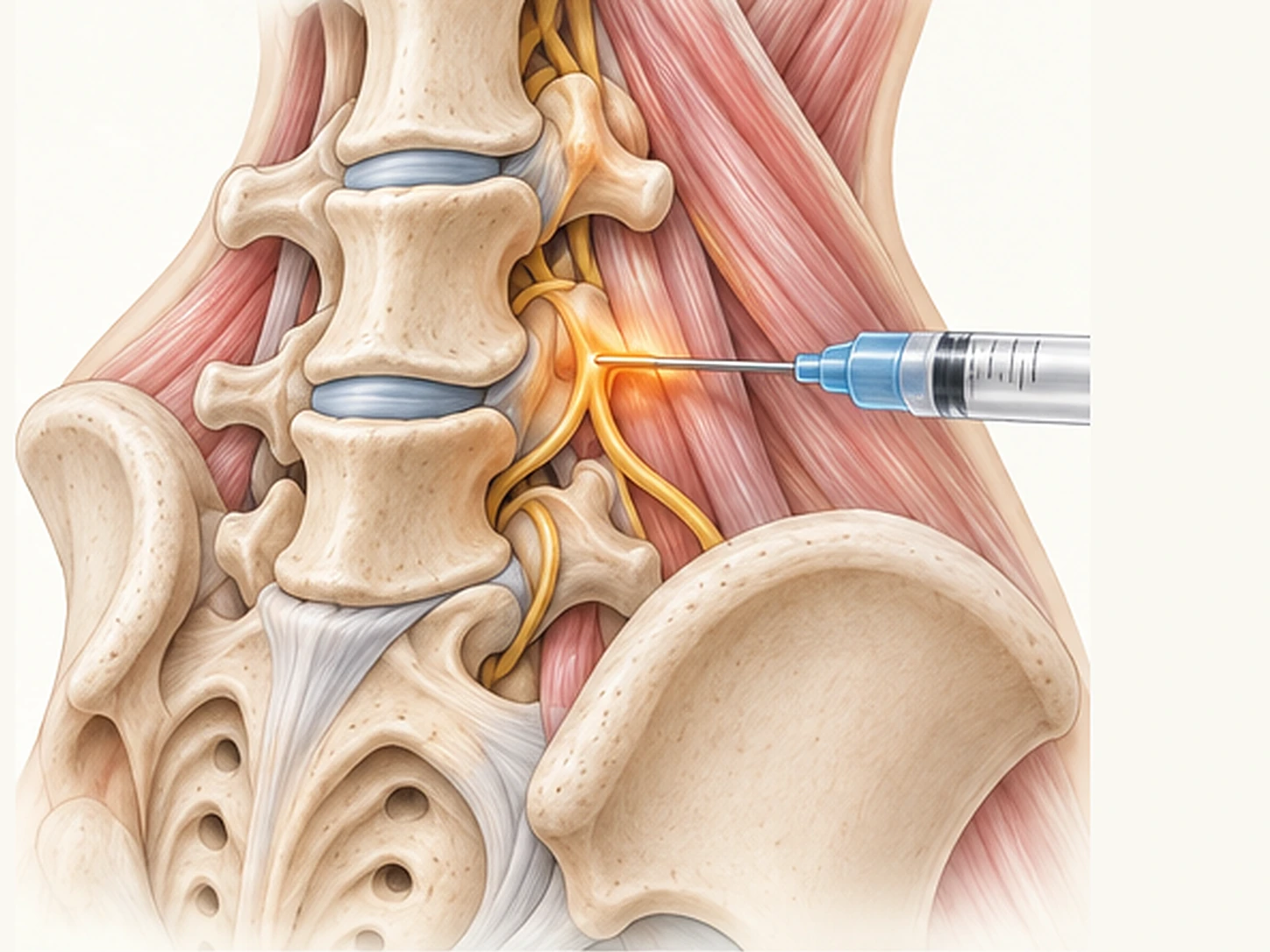
Facet & Medial Branch Procedures
Facet joints can contribute to axial neck or low-back pain. A medial branch block may be used as a diagnostic step to test whether nerves serving those joints are likely carrying the pain signal.
How it is considered →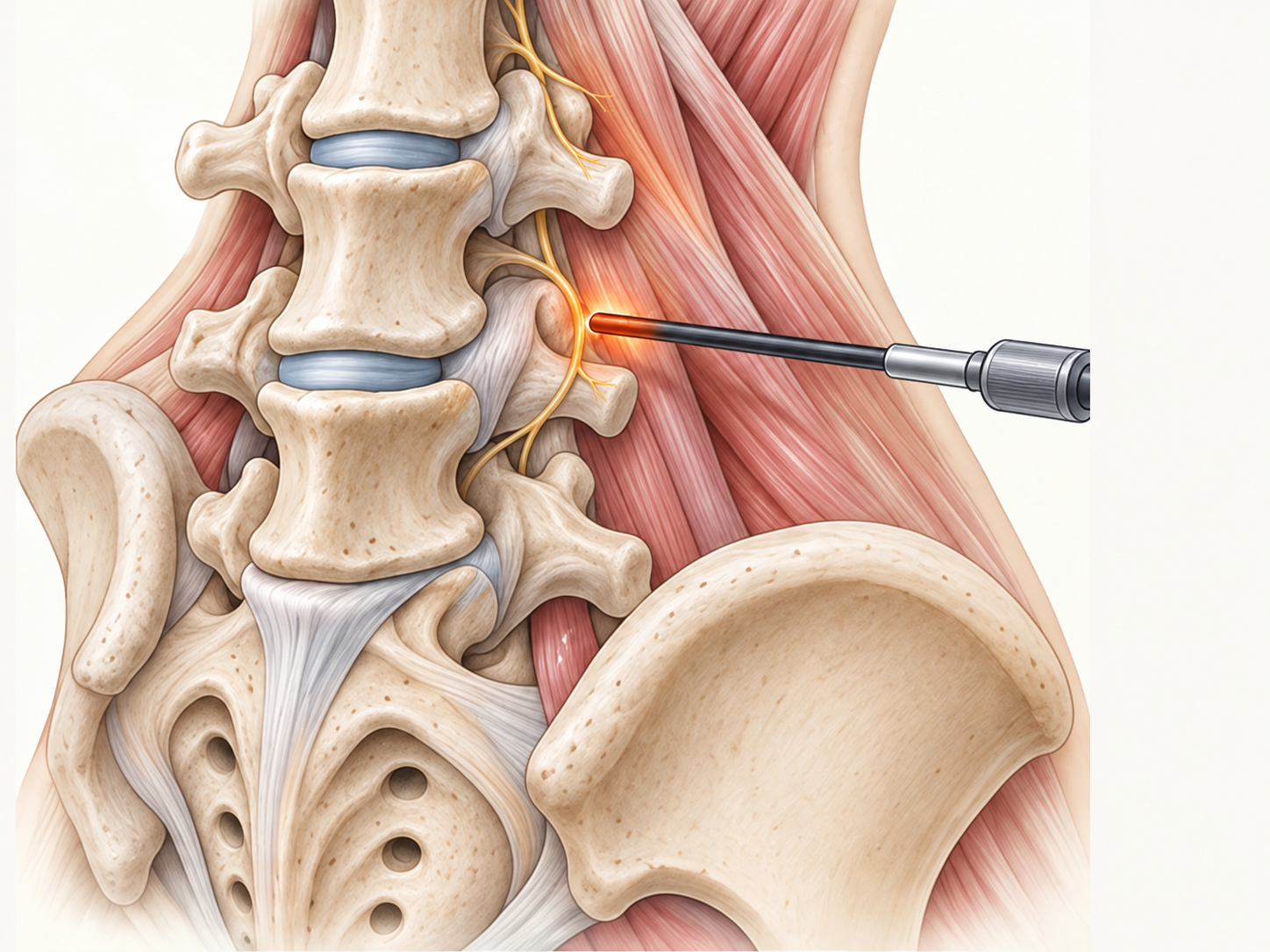
Radiofrequency Ablation
Radiofrequency ablation uses controlled energy near selected sensory nerves to reduce pain signals from a confirmed joint-related source. It is generally considered only after diagnostic steps support that target.
How it is considered →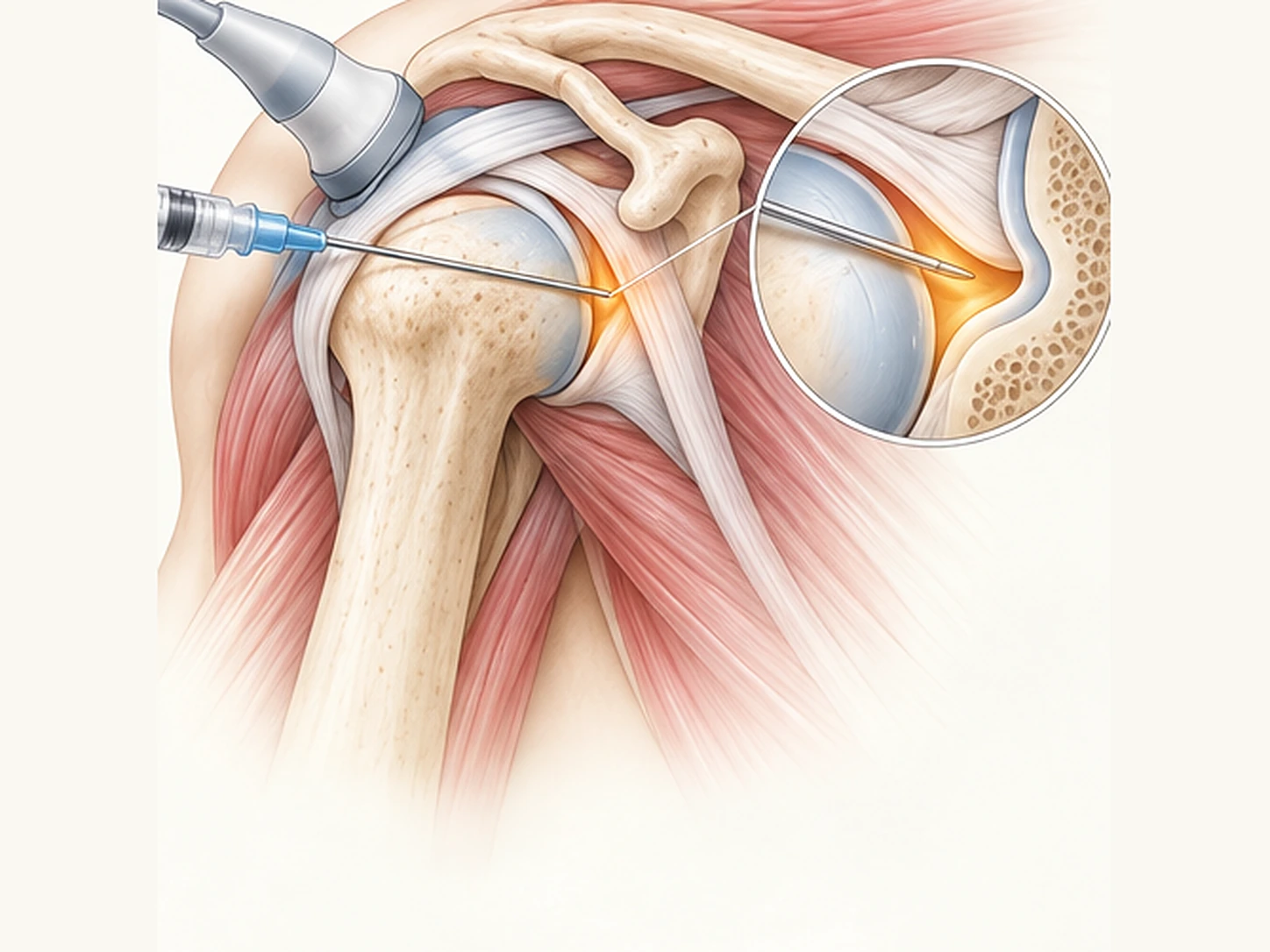
Image-Guided Joint Injections
Image guidance can help place medication accurately into a joint or nearby structure. Depending on the situation, an injection may help test a suspected pain source, reduce inflammation or support rehabilitation.
How it is considered →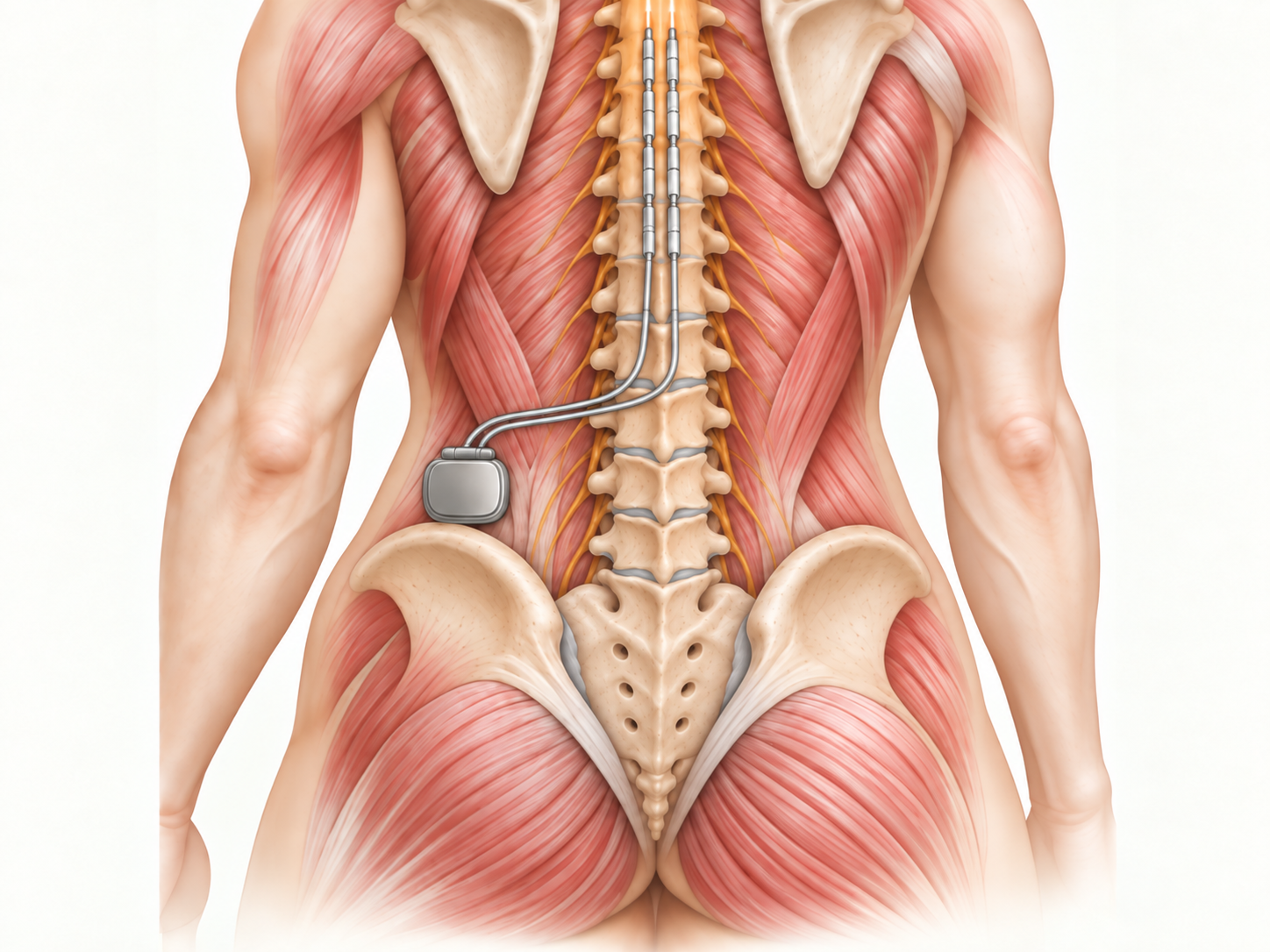
Neuromodulation — Spinal Cord Stimulation
Neuromodulation evaluation considers whether therapies such as spinal cord stimulation may fit a carefully selected patient with persistent nerve-related pain after other reasonable options have been explored.
How it is considered →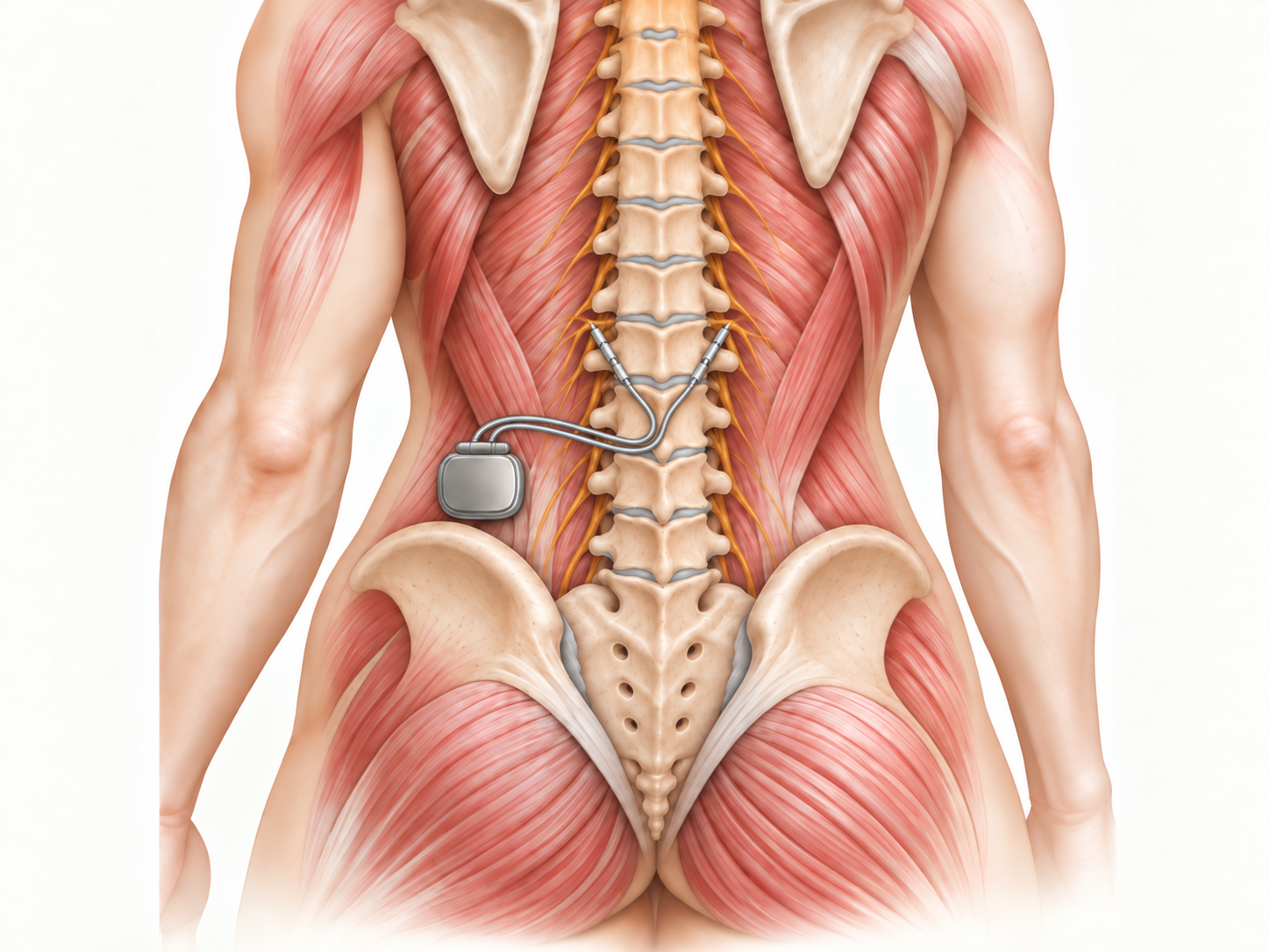
Restorative Neurostimulation
Restorative neurostimulation is an implantable therapy designed to activate nerves that control the lumbar multifidus muscles. ReActiv8 evaluation is limited to selected adults with intractable mechanical chronic low back pain associated with multifidus dysfunction after appropriate non-surgical care.
How it is considered →These guides explain how options may be considered; they do not determine candidacy. Contact NJ Spine & Orthopedic to confirm available services and locations.
Not sure where to begin?